
Whoa, that hit different. I was knee-deep in a flash loan thread yesterday, and my gut buzzed. Something felt off about how wallets exposed RPC timing, mempool visibility, and signer ergonomics. Initially I thought better UX alone would solve most attack surfaces, but then I realized MEV flows and cross-chain messaging introduce nuanced failure modes that UX can’t patch by itself. On one hand there are economic layers where bot competition extracts value; though actually on the other hand there are protocol-level leaks, relayer incentives, and subtle developer misconfigurations that amplify those leaks into user losses.
Seriously, that’s true. DeFi users care about gas savings and failed tx protection. My instinct said wallets should simulate exact mempool order before broadcasting. But simulations help only if wallets control sign timing. Therefore, a multi-chain wallet that integrates dApps, simulates transactions across L2s, and negotiates with relayers becomes more than convenience — it turns into an active defense against sandwiching, backrunning, and value extraction.
Hmm, weirdly enough. I used to think private relayers were niche, but that view changed fast. Quick simulations, front-running shields, and MEV-aware fee suggestions are table stakes now. When a wallet can show you a simulated worst-case path, compute expected slippage, and then pick a private route that pays a miner or relayer just enough to deter bots, users actually avoid being value sources for adversarial infrastructure. That’s nuanced engineering because you must balance trade-offs between latency, privacy, gas overhead, and the opaque economics of relayer markets, which change by the hour depending on network churn and bot behavior.
Okay, so check this out— Wallets that integrate deeply with dApps can nudge contracts to use off-chain sequencing when possible. Developers often build without thinking about how signing UX leaks mempool data. A wallet offering conditional approvals and signing hooks reduces MEV exposure. Integrating well means building an SDK, exposing safe defaults, and educating dApp teams about signer ergonomics, which sounds dull but actually flips the attacker advantage if done right.
I’m biased, clearly. I prefer wallets that give users visible simulations and let power users tune relayer strategies. Somethin’ about seeing an exact sandwich probability changes behavior. For example, if the wallet indicates a 40% chance of being sandwiched and offers a private relay option that costs a slight premium but nullifies that risk, many users will accept the trade-off, and that market signal reduces bot profitability. This is why multi-chain support matters: cross-chain arbitrage bots exploit timing differentials between L1 → L2 bridges, and only a wallet that understands both sides of the bridge can simulate the end-to-end risk.
Really builds trust. Multi-chain means more than adding networks in a dropdown. It means unified nonce management, cross-chain simulation, and coherent UX when a dApp spans rollups. Too many wallets treat chains as islands and leak user intent at every hop. When the wallet coordinates signing windows, relayer selection, and on-chain retries across L2s, it not only reduces MEV but also creates a smoother developer integration story for dApps that want native cross-rollup flows.
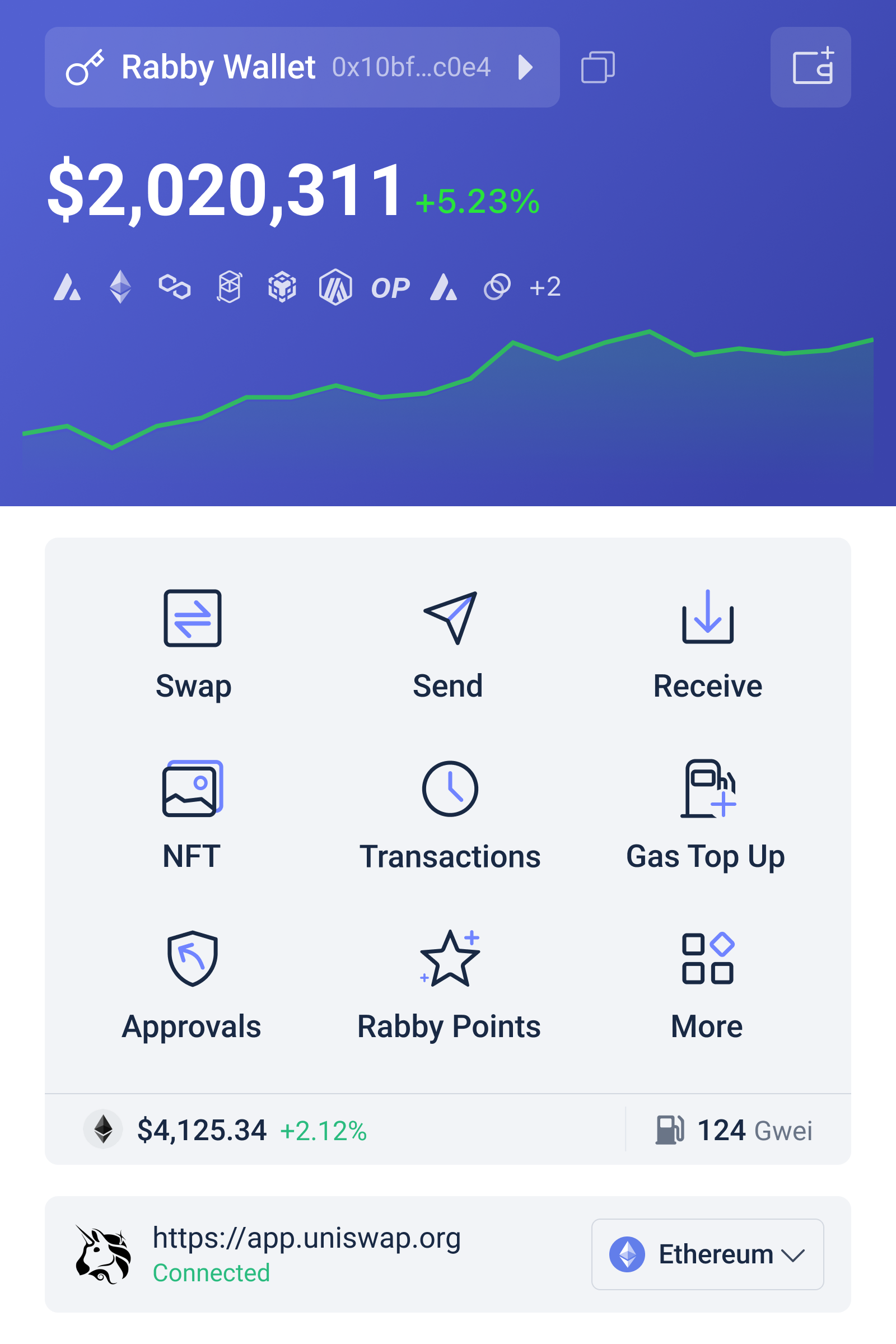
Integrating wallets and dApps
Wow, that’s neat. A big problem is trust: who runs the relayer and what are their incentives? Open-source relayers with on-chain dispute bonds change the risk calculus, and rabby wallet shows how. Wallets that default to open relaying markets but allow opt-in private routes—paired with cryptographic accountability and clear fee breakdowns—give users both transparency and protection without forcing centralized trust. This is especially relevant in the US market where regulatory scrutiny makes decentralized accountability more attractive than opaque custodial arrangements, and people prefer tools that let them keep custody while reducing attack surface.
Hmm, here’s the rub. dApp integration needs low friction APIs so developers adopt protection patterns. If signing flows become clunky, devs will disable protections to preserve conversion rates. Good wallets provide SDKs, smart contract helpers, and UI components for graceful fallbacks. So the real win is when wallets partner with dApps early, surface clear opt-in protections to users, and iterate on UX until the security path becomes the easiest path rather than a developer afterthought.
I’m not 100% sure. There are trade-offs: private relays can reduce transparency and increase costs for small traders. But progressive defaults and fee abstractions can help onboard users without overwhelming them. Actually, wait—let me rephrase that: wallet designers should expose simple toggles for protection tiers while keeping advanced controls for traders who want to finely tune relayer selection and gas economics. On one hand a one-click shield is great for mass adoption; though actually for power users the ability to script relayer strategies or batch-simulate transactions is indispensable.
Here’s what bugs me. Many wallet vendors promise security but skimp on transparency and third-party audits. Audits alone aren’t enough; you need real-time proofs of relay behavior and replay protections. Tools like local transaction simulation, mempool privacy switches, and on-device signing are key. When those pieces come together, the wallet is not a passive conduit but an active participant that negotiates, simulates, and sometimes sacrifices a little gas to save the user from being eaten alive by bots.
Really, trust matters. User education still matters; show the simulation, color-code risk, and explain trade-offs in plain language. I’m biased toward non-custodial models because they keep control with users. Yet there’s room for hybrid models where users keep keys but delegate relay negotiation to trusted coordinators under strict SLAs, particularly for complex cross-chain flows where timing and sequencing are critical. As these patterns become standard, developers will rely on wallet SDKs for secure-by-default integrations and the ecosystem will see fewer exploitable mempool leaks and less profitable bot infrastructure.
Okay, final thought. If you care about DeFi, care about the wallet’s role in MEV defense. Multi-chain support, good SDKs, and private relayer options are the building blocks. I’ll be honest—there is no perfect solution yet, and the markets will keep evolving. But wallets that simulate end-to-end flows, integrate with dApps, and negotiate relaying intelligently will make DeFi safer and more usable, and that alone will help the ecosystem shift from reactive patches to proactive protection…